Have you ever watched a video and thought, “This is so me”?
You know, those moments where what you’re watching feels less like marketing and more like someone just gets your world.
That’s not by chance but the magic of lifestyle marketing, where brands transcend mere transactions to build real connections. When you blend that with the power of video, the result is next-level engagement.
It allows people to see themselves in the stories, the experiences, and the vibe of what’s being displayed on-screen. Stick around as we discuss lifestyle marketing definition and explain how this subtle, indirect marketing strategy works.
Say you’re scrolling through your social media feed and stumble upon a video of someone making their morning coffee in a cozy kitchen, their dog by their side, sunlight pouring through the window.
It’s pretty simple, but something about it clicks. You feel the vibe of a calm morning and maybe even picture yourself in the moment. That’s the essence of lifestyle marketing.
It creates an emotional connection by showing relatable moments that resonate with the audience’s life. After all, emotions are at the core of human connection, and concepts like emotional resonance explain why we’re more likely to engage with content that makes us feel something.
Traditional marketing is often more transactional. It’s straightforward and focused on features and benefits, “Here’s a product, here’s what it does, and here’s why you need it.”
However, lifestyle marketing takes a different approach. It sells a way of life and, through it, the product.
It pulls people in because they feel like the brand reflects who they are and who they want to be.
And when you bring video into the equation, it becomes even more powerful. It allows you to, as in Anton Chekov’s language, show, not just tell. With McKinsey reporting that the new era requires brands to get as close to the consumer as possible, lifestyle marketing videos have become a must-create.
It’s no secret that video is king when it comes to capturing attention, but combining it with lifestyle marketing can transform how people connect with your brand. Below, we discuss how you can pull it off effectively.
There’s something incredibly engaging about stepping into someone else’s world for a moment and watching their routine with a sense of authenticity.
Day in the Life videos capitalize on this curiosity.
According to research, 51% of US consumers say they need to connect with and comprehend others through video content.
Many content creators are cashing in on this opportunity. No wonder hundreds of YouTube creators are seen filming their routines, from the mundane to the extraordinary.
If you intend to leverage this strategy, focus on these tips:
Collaborating with influencers for a video series can bring a fresh perspective to your brand.
For example, if you’re selling a property that boasts easy, stress-free living, avoid sharing those generic property tour videos. Instead, partner with an influencer who usually lives in a fast-paced environment.
Let them spend a weekend in a tranquil countryside home you’re selling. Let them experience the property firsthand and capture their honest reactions in this new, slower-paced setting.
This approach will work way better than the typical real estate videos. That’s because viewers get to see your product through fresh eyes, which makes it easier for them to envision how it might fit their own lives. However, make sure you:
There’s a reason why TikTok surged in popularity soon after its launch. It introduced compelling short form videos, and people were drawn to them.
No wonder several other platforms, from YouTube to Instagram, jumped on the bandwagon with shorts and reels. In fact, a professional networking platform like LinkedIn recently leveraged this content type, given its immense popularity.
As a lifestyle marketer, you can cash on this opportunity, too. Instead of a grand narrative, consider creating micro-moments that capture small yet meaningful slices of everyday life. According to Forbes, these micro-signals are more likely to gain the audience’s attention since today’s consumers value authentic moments.
Maybe create a minute-long morning routine where your product seamlessly integrates into someone’s start to the day or a brief lunch break that highlights how your brand adds convenience to someone’s hectic schedule.
However, remember that every second counts in a short form video. So, be precise and engaging while also effectively demonstrating your product’s impact.
We live in a visually saturated world where stunning images are everywhere you look. Therefore, to truly captivate your audience through lifestyle marketing, it’s time to think beyond the visuals.
Put simply, instead of just showing how your product looks, focus on how it feels, sounds, and even smells.
Take a page from the book of Dunkin’ Donuts. The brand is pretty popular already, yet it employed a whole new approach to further pull its audience in. A few years back, it installed aroma diffusers on city buses that released the scent of their coffee every time an ad for the brand played on the radio.
This clever use of sensory marketing created a powerful association between the smell of their coffee and their brand message. It goes without saying that the experience was unforgettable for the passengers.
For your own brand, think about how you can evoke similar sensory experiences. If you’re, say, marketing a beauty product, you can use ASMR techniques to highlight the soothing sounds of application or even the subtle scent.
Here, you can partner with local spas where subtle mists or soothing aromas are dispersed in real-time when your video is shown. That’s just one example. You can get as creative as you want with the idea.
People love witnessing someone’s day unfold in real time (unfiltered and unedited). We mean, there’s a reason why reality TV shows hold such a magnetic appeal.
The real-time connection, free from retakes and scripted moments, creates an engaging experience for the viewers. Research highlights that live streams are “more popular than tutorials and educational videos online.”
You can use this strategy for your video lifestyle marketing. Consider featuring influencers who live-stream their day, from morning coffee to evening relaxation. Throughout the video, they use your product and show how it enhances their day. Whether they’re cooking, working out, or unwinding, viewers get to see your product in action.
However, since live streams can be tricky, make sure you partner with influencers who, besides being engaging on-screen, are relatable, too. Their natural charisma must resonate with viewers and create a strong connection to your product.
Bear Grylls is a global icon not just for his daring survival skills but because he thrives on stepping into the unknown, extreme challenges. This fascination with watching someone tackle unfamiliar scenarios taps into a fundamental psychological drive: our love for novelty-seeking and problem-solving.
Therefore, seeing individuals tackle challenges stimulates our desire for exploration. You can use this concept and apply it to lifestyle influencers.
Here, a tech enthusiast, for instance, will trade their high-tech gadgets for a day of camping in the wilderness, while a nature lover will embrace a day of cutting-edge technology.
As they swap lives and engage with each other’s routines, your product becomes a key part of their new experiences.
Just make sure you select individuals from contrasting niches. Their distinct backgrounds will make the content more engaging and showcase your product in a whole new light.
Did you know live-action videos are the most common type of videos created by marketers, with 48% of them opting for them? Screen-recorded visual content is also created by 22% of marketers. These stats show the demand for real-time content among audiences.
Live video lets your audience see moments as they unfold, unedited and unfiltered. People are drawn to this immediacy because it feels authentic.
A brand can show an influencer using a product throughout their day or stream a behind-the-scenes look at an event. For example, a coffee brand could feature a barista making a signature drink live while answering audience questions. Top brands like Sephora have been using this format for years now.
When creating these videos, keep sessions short, around 15 to 30 minutes. Promote the stream in advance so that your audience knows when to tune in. You can then reuse the live recording for social clips, micro-moments, or email campaigns to extend reach.
Curious about how lifestyle marketing plays out in real-world scenarios? Here are some standout lifestyle marketing examples that demonstrate how brands evolve from “just another brand” to something truly iconic.
Apple sells a vision of a life well-lived. Its videos often create a narrative around the product’s role in someone’s life.
Take its promotional videos, for instance. Instead of focusing on the specs of a new iPhone or MacBook, Apple highlights how these devices fit into someone’s life. This ad from Apple is an example.
This way, Apple clarifies that it's a companion in your journey toward a more fulfilling lifestyle. Do check the video titled “How Apple and Nike have branded your brain,” to gain more insight into the topic
Although a fashion magazine, Vogue curates an entire lifestyle, and its content is a perfect example.
In the episode with Margot Robbie, viewers get a rare peek into her world - her home, her style, and everyday moments. This gives the audience a glimpse into how fashion blends with real life.
Vogue’s marketing goes beyond traditional fashion ads that merely showcase a model wearing a new clothing line. Instead, fashion magazines turn fashion into a lifestyle statement by featuring celebrities.
Nike’s marketing is a masterclass in lifestyle branding. Its “Just Do It” videos champion a mindset and a way of life.
They call to action, encourage viewers to push their limits, and embrace a life of resilience. Nike could have gone the traditional route by merely highlighting its product features.
But it aligns its brand with the pursuit of excellence and athletic achievement. This way, its products naturally become symbols of motivation. It would be fair to say that Nike resonates deeply with anyone striving to make their mark in the world.
Here’s another latest video from the brand titled “Winning isn’t for everyone.” The ad doesn’t talk about any product for a moment but merely promotes a mindset. The comment section clearly shows that the audience loved how impactful the video was.
How can we forget Airbnb’s recent work that turns travel into personal moments, not just bookings? The company rolled out a global video campaign, which invites viewers into a world built by hand, with miniature scenes of homes, landscapes, people, and pets tied together like a train rolling through real places and listings.
The visual feels like a journey through ordinary lives in extraordinary settings, and that makes the brand feel more human.
Airbnb took this even further with campaigns built around real hosts and guests. One example, Made Possible by Hosts, collected stories directly from people on the platform. These were short clips showing hosts welcoming guests, preparing homes, and sharing their local lives.
These campaigns work well for lifestyle marketing because they do two things. First, they focus on people living real parts of life on camera.
Second, they show Airbnb as part of real routines and cultural moments. That positions the brand as a platform where memories and daily life intersect.
Beyond telling a story, video lifestyle marketing invites your audience to live it.
When you succeed in painting a vivid picture of how your product can become an integral part of their lifestyle, you naturally create a strong connection with them. All you need to do is sell your product without selling it.
Creating such content is no walk in the park. That’s where a dedicated video marketing Chicago agency comes in. At INDIRAP, a leading video production agency in Chicago, we develop unique video content ideas and apply them in real-time to drive engagement.
Our strategic insights can help you turn your brand into a lifestyle icon. So, what are you waiting for? Let’s create videos that do more than just market. Book a free, no-obligation Discovery Call today to create experiences that matter.
.gif)
Video can be used in influencer marketing by having popular influencers create content that highlights your product or service. This could be a makeup tutorial, a cooking demo, or a travel adventure. The format and content type primarily depends on the creativity level of the influencer. However, you can also share your recommendations because, by the end of the day, it’s about your product/service.
Lifestyle marketing brings a brand into everyday life. A sports drink featuring a high-energy workout video or a fashion brand highlighting a day-in-the-life vlog can be taken as examples. Overall, the strategy is to make your brand feel like a natural part of your viewer’s world.
A lifestyle video integrates your product into everyday moments. It might, for instance, feature a home chef using a new kitchen appliance to prepare a family dinner. This captures how the product enhances their cooking experience. The goal is to show the product’s benefits all while making it relatable to the viewer’s life.
Short videos between 30 seconds and two minutes work well for social feeds, while longer 3-5 minute clips suit tutorials, behind-the-scenes content, or influencer takeovers.
Brands can explore several types of lifestyle videos to engage audiences. Examples include day-in-the-life videos showing how a product fits into routines, micro-moment clips capturing small but meaningful experiences, influencer collaborations to show authentic reactions, behind-the-scenes content highlighting real processes, and live streams to let viewers experience events in real time.
Show products in use rather than staged setups, feature real customers or employees instead of actors, and include candid moments and natural dialogue. You can also highlight imperfections that viewers can relate to and let influencers or hosts speak in their own voice. The idea is to go for spontaneity and unscripted reactions.
Instagram Reels, TikTok, YouTube Shorts, and Facebook are ideal for short, shareable content. Meanwhile, LinkedIn or email campaigns suit longer, story-driven lifestyle videos targeting professionals.
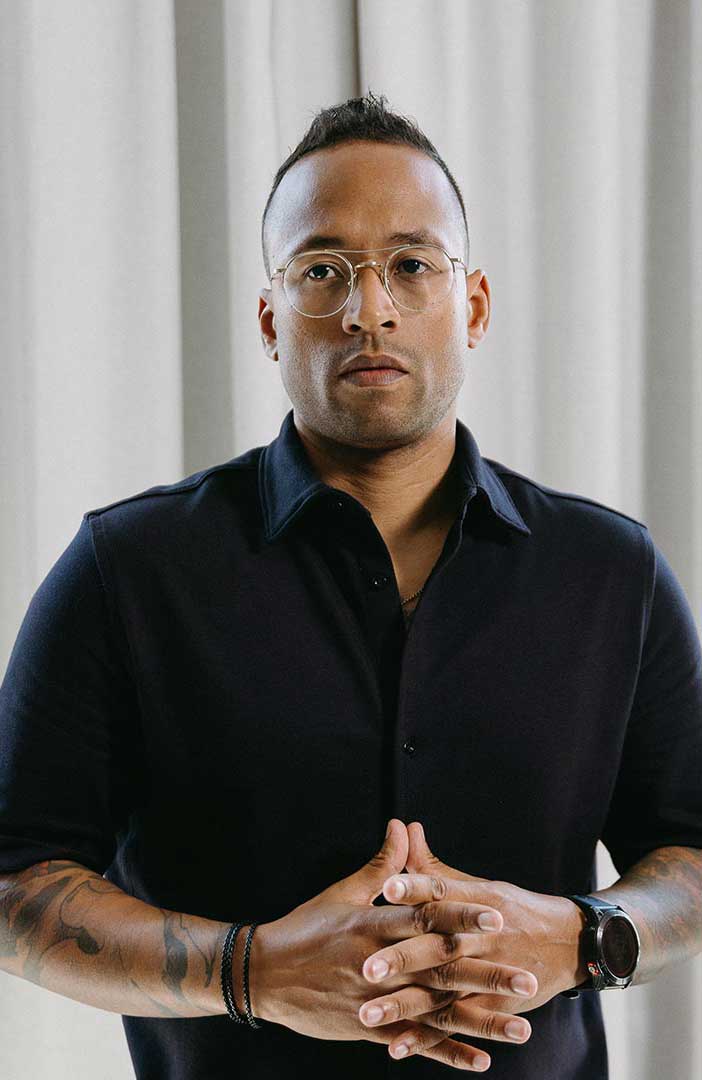

Julian Tillotson is the Founder & CEO of INDIRAP, a full-service video production and creative strategy agency based in Chicago, IL. With 10+ years of experience, INDIRAP has delivered 20,000+ videos to 900+ clients across 40+ industries, making it one of North America's leading digital creative agencies.


.png)
.png)